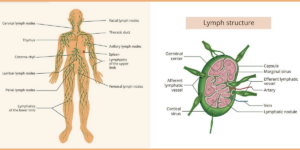

Recovering from surgery places significant stress on the body. Swelling, fluid buildup, and inflammation are all part of the healing process. One of the most effective ways to support recovery is through lymphatic drainage therapy, a gentle technique that encourages the movement of lymph fluid and helps reduce swelling.
Lymphatic drainage therapy uses gentle techniques to reduce swelling and support recovery after surgery.
Many people ask the same important question after surgery:
How many lymphatic drainage sessions do I actually need?
The answer depends on several factors, including the type of surgery, the amount of swelling, and how your body responds during recovery. Understanding how lymphatic therapy works can help you plan for a smoother healing process.
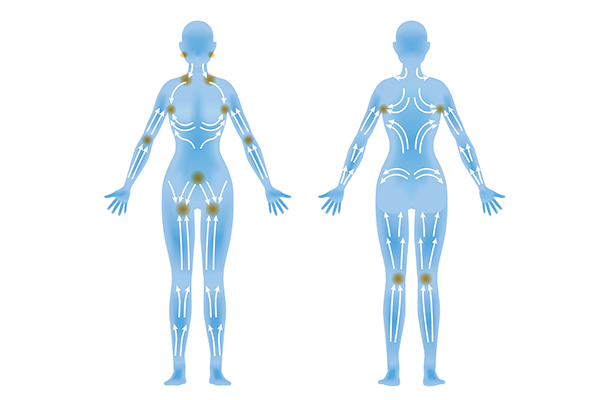
Why Lymphatic Drainage Is Important After Surgery
The lymphatic system helps remove excess fluid and supports healing after surgery.
Surgical procedures can temporarily disrupt the normal flow of lymph fluid. This can lead to swelling, fluid retention, bruising, and discomfort as the body begins to heal.
Lymphatic drainage therapy helps support recovery by:
• Reducing swelling and inflammation
• Encouraging the removal of excess fluid
• Supporting the body’s natural detoxification process
• Improving circulation and healing
• Helping prevent fibrosis (hard tissue formation)
These gentle treatments help guide lymph fluid toward lymph nodes where it can be properly processed by the body.

Typical Number of Sessions After Surgery
Most post-surgical clients benefit from multiple lymphatic drainage sessions during the early stages of recovery.
A general guideline is:
• 3–5 sessions for mild swelling or minor procedures
• 6–10 sessions for moderate swelling or procedures like liposuction
• 10+ sessions for more extensive surgeries such as tummy tucks or BBL recovery
These sessions are usually spaced throughout the first 2 to 6 weeks after surgery, when swelling is at its peak and lymphatic support is most helpful.
Each person heals differently, so the number of treatments may vary.

When Should You Start Lymphatic Drainage After Surgery?
Many surgeons recommend beginning lymphatic drainage within the first few days after surgery, once it is medically safe.
Early treatments may help:
• Reduce swelling faster
• Prevent fluid accumulation
• Improve comfort during recovery
• Support healthy tissue healing
However, it is always important to follow your surgeon’s guidance regarding when to begin therapy.

Signs You May Need Additional Sessions
Persistent swelling or tightness may indicate the need for additional lymphatic support.
While some clients only need a few treatments, others benefit from additional sessions depending on their recovery progress.
You may benefit from continued lymphatic therapy if you experience:
• Persistent swelling
• Fluid retention or puffiness
• Tightness or discomfort in treated areas
• Slow healing
• Hard or lumpy areas under the skin
Regular sessions can help keep lymph fluid moving and support the body’s natural healing response.
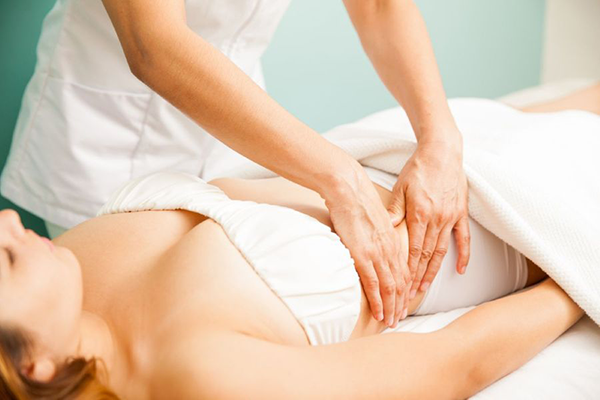
What to Expect During a Lymphatic Drainage Session
Many clients report feeling lighter and more comfortable after lymphatic drainage therapy.
Lymphatic therapy is very different from traditional massage. The movements are slow, gentle, and rhythmic, designed to stimulate the lymphatic vessels without applying deep pressure.
During a session, a trained practitioner will use light techniques that guide fluid toward lymph nodes, helping the body process and eliminate excess fluid more efficiently.
Most sessions last 45 to 60 minutes, and many clients find the experience deeply relaxing.

Supporting Your Recovery at Home
Simple habits like hydration and gentle movement can support lymphatic circulation between sessions.
While professional lymphatic therapy is extremely helpful after surgery, there are also ways to support your recovery between sessions.
Helpful practices include:
• Staying well hydrated
• Walking or gentle movement
• Wearing compression garments if recommended
• Practicing deep breathing
• Following your surgeon’s recovery instructions
These habits help encourage healthy lymph circulation and promote healing.

When Professional Lymphatic Care Makes a Difference
Gentle movement and hydration can support lymphatic circulation during recovery.
Post-surgical recovery can be smoother when the lymphatic system receives proper support. Professional lymphatic therapy helps guide the body through the healing process by encouraging fluid movement and reducing congestion in the tissues.
Many clients notice improvements in swelling, comfort, and mobility after consistent sessions.
About The Bodhi Tree Holistic Health Solution
At The Bodhi Tree Holistic Health Solution, we provide specialized lymphatic therapy designed to support recovery, reduce swelling, and restore the body’s natural balance through knowledgeable and compassionate care.